


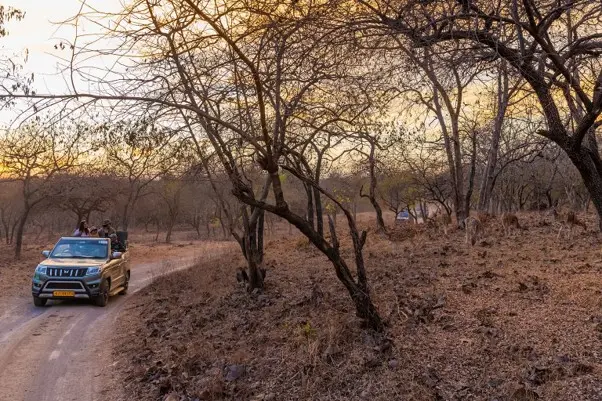
For most travellers, a trip to Sasan Gir begins with one thing — the chance to enter the forest in search of the Asiatic lion. But the safari is only one part of the story. Permits are limited, bookings can fill up quickly, and safari access varies by season.
That makes it worth planning your Gir travel itinerary around the other things to do in Sasan Gir. Beyond the forest gates, Sasan Gir and its surrounding landscape offer places to slow down, explore local culture, or simply experience a different side of the region.
Sasan Gir has much to offer beyond the jungle safari. From historic sites and temples to coastal escapes and nature-led experiences, these seven places to visit near Sasan Gir can add depth to your Sasan Gir trip, especially when your next forest drive is not until tomorrow.
Discover Another Side of Gir
The 2025 lion census offers an interesting reminder that Gir is much larger than the safari experience most visitors associate with it. Gujarat recorded 891 Asiatic lions, a 32.2% increase since 2020. More importantly for travellers, only 394 of these lions live inside the core park. The rest are spread across a wider landscape of forests, coastal areas, and surrounding grasslands.
That wider landscape is part of what makes Gir worth exploring beyond the safari. Permits remain limited, and access is seasonal, so even a well-planned visit may leave you with only a few hours inside the forest. The rest of your time can be an opportunity to discover the places, communities, and experiences that reveal another side of the Gir region.
Two Sacred Detours Inside the Forest
Tulsishyam and Kankai Mata offer a different way to experience the Gir landscape. Both are deeply connected to the forest and its communities, yet each has its own story, making the journey as interesting as the destination itself.
- Tulsishyam: Around 60 km from Sasan Gir, Tulsishyam is home to an ancient temple dedicated to Lord Vishnu, with an idol of Lord Tulsishyam believed to be around 3,000 years old. The site is also known for three hot sulphur springs, each with a different temperature. Reaching Tulsishyam involves a forest-permit drive, making the journey part of the experience rather than simply a visit to a temple.
- Kankai Mata Temple: Roughly 25–30 km from Sasan Gir, Kankai Mata Temple is one of the rare working shrines located within a protected forest landscape. The temple has long been associated with the Maldhari community, adding a cultural layer to the visit. It is generally treated as a day trip, making it a natural addition to an itinerary planned around safari drives.
A Morning in Junagadh
If you have a free morning between safaris, Junagadh makes a worthwhile half-day outing from Sasan Gir. Around 55–65 km away, the city is usually a 1–1.5-hour drive and offers a change of pace from the forest. Its old fortifications, grand architecture, and historic landmarks reveal a different chapter of the region. You can explore the city’s key highlights in the morning and return to Gir by afternoon.
- Uparkot Fort: Dating back to the Mauryan period, this historic fort is known for its ancient walls, Buddhist caves, and impressive stepwell. Walking through its grounds offers a glimpse into Junagadh’s long and layered history.
- Mahabat Maqbara: Built in the 18th century, this Nawabi-era mausoleum is one of Junagadh’s most distinctive architectural landmarks, known for its ornate detailing and striking Indo-Islamic design.
- Sakkarbaug Zoo: Established in 1863, the zoo is among the oldest in the country and has played an important role in the conservation and breeding of Asiatic lions. It offers another perspective on the region’s long relationship with the species.
A Day by the Sea at Somnath
Around 40 km from Sasan Gir, Somnath is one of the easiest additions to a Gir itinerary, taking roughly an hour via SH-26. The change in setting is immediate. After the forests and dry landscapes of Gir, the road opens towards the Arabian Sea, with the temple standing close to the coast.
- Somnath Temple: One of the twelve Jyotirlingas, the temple is an important pilgrimage site for Hindus and the main reason most travellers make the journey. The evening aarti is particularly worth timing your visit around, with the rituals taking place against the backdrop of the Arabian Sea.
- The Coast: The temple’s seaside setting adds another dimension to the visit. The coastline offers a quieter contrast to the forest, making Somnath feel like more than a temple stop.
For travellers staying in Gir, the short distance makes Somnath one of the most practical day trips. You can combine the temple, the coast, and the evening aarti without giving up an entire day of your forest itinerary.
Two Different Sides of Gir
Not every Gir experience requires a conventional jeep safari. Kamleshwar Dam and Devalia Safari Park offer two different ways to stay close to the region’s wildlife and landscapes, particularly when safari permits are unavailable or the main routes are closed during the monsoon. Both can add flexibility to a Gir itinerary while offering a different perspective on the forest.
- Kamleshwar Dam: Located on the Hiran River, the dam is known for its crocodile population and attracts migratory birds at different times of the year. If you are already visiting the surrounding forest area, there is no separate permit required to visit the dam, making it an easy addition to a day in Gir.
- Devalia Safari Park: This fenced wildlife zone offers a more controlled way to experience Gir, with animal sightings generally more predictable than in the open forest. It is particularly useful when the main trail is closed during the monsoon, allowing visitors to include a wildlife experience in their itinerary even during the monsoon period.
Planning Your Gir Itinerary
The easiest way to make these detours work is to group them by location rather than trying to fit everything into a single day. Somnath and Kamleshwar Dam pair naturally as a half-day outing, giving you a mix of coastal and forest landscapes without making the day feel rushed. Junagadh works well as its own morning, with Uparkot Fort, Mahabat Maqbara and Sakkarbaug Zoo forming a compact cluster of places to explore.
Tulsishyam and Kankai Mata need more time. Their forest setting and longer drives make them better suited to a fuller day, particularly if you want to take your time rather than rush between sites. Devalia can be easier to fit into your safari schedule, especially when open-forest permits are limited.
This is also where choosing the right resort in Sasan Gir Forest can make a difference. A property such as The Forest Chapter by Sayaji in Sasan Gir allows you to stay close to the destination while leaving room in your itinerary for experiences beyond the safari. With the forest, local culture, and nearby landmarks all forming part of the wider Gir experience, a longer stay gives you the freedom to discover them at your own pace.
Final Thoughts
A safari may be the reason you come to Gir, but it does not have to define the entire trip. Beyond the forest gates, the region unfolds through temples, historic towns, wildlife experiences, local traditions and coastal landscapes, each offering a different way to discover Gir.
Giving yourself time for these things to do in Sasan Gir makes the journey feel more unhurried. Instead of planning your Gir travel itinerary around the next safari alone, you can leave room for the stories, landscapes and experiences that make the region worth staying a little longer for. In the end, you may leave with more than a lion sighting. You may leave with a deeper sense of Gir itself.
FAQs
1. How far is Junagadh from Sasan Gir?
Junagadh is around 55–65 km from Sasan Gir and usually takes about 1–1.5 hours by road.
2. Can Somnath be visited as a day trip from Sasan Gir?
Yes, Somnath is around 40 km away, making it practical to visit the temple, coast, and evening aarti in a single day.
3. What can you see at Kamleshwar Dam?
Kamleshwar Dam is known for its crocodiles and seasonal birdlife, offering a quieter way to experience the natural landscape around Gir.
4. Are Tulsishyam and Kankai Mata suitable for a short visit?
They are better suited to a planned day outing, particularly because both involve longer drives and forest settings.
5. What is the Devalia Interpretation Zone?
The Devalia Interpretation Zone is a managed wildlife area that offers a more controlled way to experience Gir’s wildlife, with sightings generally more predictable than in the open forest.




 TYS