


In 2026, domestic travellers roughly account for 86% of spending across the Indian travel industry. Travellers are increasingly spending more on stays, experiences and getaways that offer something beyond simply a place to sleep. This includes everything from distinctive hotels and palace stays to wellness retreats, destination weddings and experience-led holidays.
What you want from a holiday is therefore becoming increasingly important in understanding how the Indian tourism industry is evolving. Whether you are planning a weekend in the hills, a wellness retreat or a celebration away from home, the choices you make are part of a larger shift in Indian tourism. Here are five tourism trends in India worth understanding before you plan your next getaway.
Key Takeaways
- Domestic travellers account for 86% of India’s travel and tourism spending, driving growth beyond established destinations.
- Wildlife tourism is moving beyond sightings, with greater focus on landscapes, local culture and immersive experiences.
- Over half of new branded hotel signings are targeting tier-2 and tier-3 markets, expanding choices beyond traditional destinations.
- Weddings, wellness and longer itineraries are making Indian travel increasingly experience-led.
The Domestic Travel Boom and Growth of Tourism in India
India’s tourism growth is not limited to its best-known destinations. As more Indians travel within the country, demand is helping smaller and lesser-known tourism ecosystems develop, bringing new destinations, stays and experiences into the travel landscape.
The scale of domestic demand helps explain this shift. In 2025, domestic visitor spending reached $203 billion, accounting for the majority of India’s total Travel & Tourism spending, according to WTTC’s Economic Impact Research released in July 2026. This growing domestic market broadens tourism development beyond the established destinations that have traditionally attracted visitors.
For travellers, this means more choices. Places that were once overlooked are becoming easier to discover, with new stays and experiences built around what makes them distinctive. From nature and wildlife to culture, wellness and experiential travel, India’s tourism landscape is becoming more diverse, giving travellers more ways to explore the country.
Wildlife Tourism in India: From Tiger Sightings to a More Immersive Wild Experience
For many travellers, a wildlife holiday still begins with the hope of seeing a tiger. That remains part of the draw, but the experience is becoming broader, shaped by the landscape, local culture, and how people spend time in the destination.
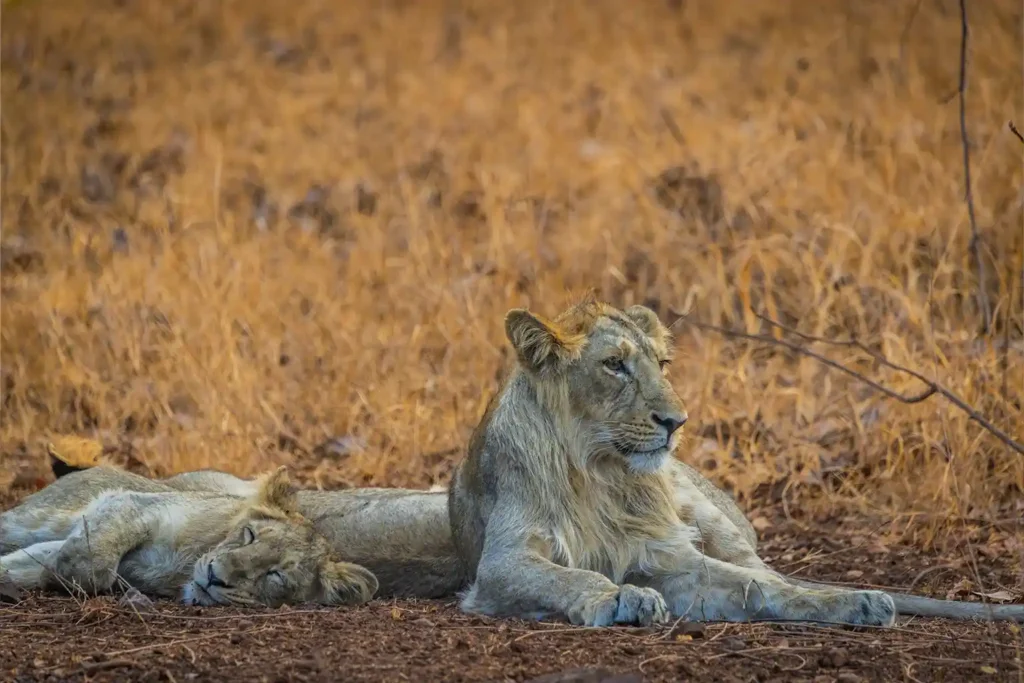
Safari remains the starting point in places such as Kanha, Satpura and Jim Corbett, but the experience increasingly extends beyond the forest drive. At Kaziranga, grasslands, wetlands, nearby villages and local food add context to the wildlife experience. In Sasan Gir, Asiatic lions, the dry landscape and Maldhari communities offer a sense of the place beyond the sighting. In the Sundarbans, mangroves and waterways create an entirely different setting.
Wildlife stays are evolving alongside this shift, with properties such as The Forest Chapter by Sayaji bringing the destination into the stay through local food, nature-led experiences, surrounding landscapes and communities. The resort becomes part of how you experience the place, rather than simply a base for safaris.
The result is a more immersive way to experience the wild. The animal sighting may still bring you there, but the landscape, people, culture and place you stay in can become equally important to the journey.
Luxury Hotel Expansion Into Tier-2 Destinations
As you look beyond India’s established metros, more branded and luxury hotels are entering smaller cities and emerging destinations. More than half of all new branded hotel signings over the past three years have gone to tier-2 and tier-3 markets, making established hotel brands increasingly accessible beyond the country’s traditional urban and leisure centres.
The shift is also expanding the range of stays available to you. Villas and other private-format accommodation are growing at a 12.1% CAGR, the fastest rate among room categories, giving you more options when privacy, space and flexibility matter.
At the same time, smaller cities and destination-led locations are increasingly becoming the reason to travel, with the experience itself playing a larger role. Hotels are responding by building around what draws travellers to these places, whether that is local culture and heritage, nature, wellness or the opportunity to stay longer.
Experiential Travel in India: Weddings, Wellness and Slower Itineraries
Weddings, wellness and longer itineraries may seem like separate travel trends, but together they point to a broader shift towards choosing trips around experiences and occasions, rather than destinations alone. For premium hospitality, that means the value of a stay is increasingly shaped by what you can do, celebrate and experience while you are there.
Weddings are becoming destination experiences in their own right. One in four Indian weddings in 2025 was a destination event. The Ministry of Tourism’s Wed in India campaign reflects the growing importance of this format.
Wellness is becoming a reason to travel, rather than an add-on to a hotel stay. For many affluent travellers, retreats centred on Ayurveda, fitness, nutrition, mindfulness and recovery are shaping the trip itself, particularly when the setting allows you to slow down rather than fit wellness into a packed itinerary.
Longer, self-planned journeys are adding another dimension to this shift. With the majority of Indian travellers planning their trips themselves, itineraries are becoming longer and spanning multiple destinations. This suggests that travellers are seeking varied experiences throughout a journey rather than concentrating the trip around one destination.
Final Thoughts
Indian travel industry is expanding beyond its established destinations, driven by travellers who are looking for more from each journey. Wildlife is becoming more immersive, smaller destinations are gaining better hotels, and weddings, wellness and longer itineraries are turning travel into a more experience-led choice.
The shift is ultimately less about how far you travel and more about what you experience along the way. As more places become accessible and better equipped for travellers, depth is replacing distance, giving you more reasons to slow down, stay longer and experience a destination beyond its headline attraction.
Frequently Asked Questions
1. Is wildlife tourism in India becoming more experience-led?
Yes, wildlife travel is increasingly extending beyond the safari, with greater emphasis on landscapes, local culture, communities and different ways of experiencing destinations.
2. Are luxury hotels expanding into smaller Indian cities?
Yes, more than half of new branded hotel signings over the past three years have gone to tier-2 and tier-3 markets, giving travellers more established hotel options beyond India’s traditional urban and leisure centres.
3. What is driving the growth of experiential travel in India?
Weddings, wellness and longer, multi-destination itineraries are increasingly shaping travel choices around experiences and occasions rather than destinations alone.
4. Are destination weddings becoming more popular in India?
Yes, one in four Indian weddings in 2025 was a destination event, reflecting the growing role of weddings as experience-led travel occasions.




 TYS
TYS