


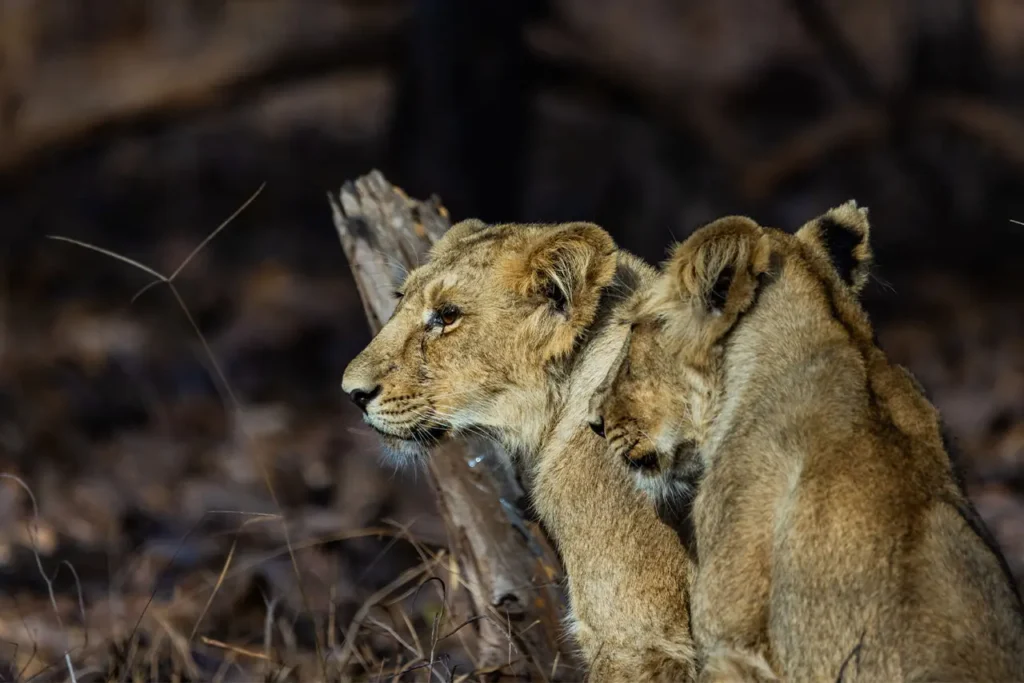
As the world’s only natural home of the majestic Asiatic lion, Sasan Gir National Park is a landscape unlike any other. Today, it is home to 384 Asiatic lions, a remarkable milestone in one of the world’s most celebrated wildlife conservation success stories.
Yet Gir’s story extends beyond its iconic predator. Leopards move through its forests, herds of deer graze across its grasslands, and more than 300 bird species fill the landscape with life throughout the year. No two Sasan Gir safari seasons are ever quite the same. As the weather shifts, so do the forests and wildlife activity, offering a new perspective on Gir’s enduring wilderness.
Whether you’re hoping to maximise your chances of spotting the Asiatic lion, enjoy pleasant weather, or experience the park at a quieter pace, the best time to visit Sasan Gir depends on the kind of journey you’re looking for. This seasonal guide will help you choose the right time to discover Gir.
Why Timing Matters for a Sasan Gir Lion Safari
Gir is a landscape in constant transition. As the seasons change, so do the forest, its wildlife, and the safari experience itself. Water levels fluctuate, vegetation thickens or recedes, and animals adjust their movement patterns in response to the changing environment. These natural cycles influence everything from visibility across the forest to the likelihood of encountering the Asiatic lion.
Unlike destinations where wildlife sightings remain relatively consistent throughout the year, Gir rewards travellers who understand the forest’s seasonal patterns. Some months offer cooler weather and verdant landscapes that make long safaris especially enjoyable, while others reveal a drier, more open forest where wildlife is easier to spot. Even the quality of light, the colours of the landscape, and opportunities for wildlife photography vary significantly with the time of year.
Choosing the right season ultimately depends on the experience you are seeking. Whether your priority is comfortable weather, exceptional wildlife photography, or the highest chances of spotting the Asiatic lion, understanding Gir’s changing character helps you plan a safari that feels both rewarding and deeply connected to the forest.
Best Time to Visit Sasan Gir National Park by Season
Understanding what to expect in each season makes it easier to choose a safari experience that matches your interests. Here’s what to expect in each season:
Winter (November to February)
Winter is widely regarded as the best time to visit Sasan Gir National Park. With temperatures typically ranging between 10°C and 30°C, the season is well suited to long morning and afternoon jeep safaris, allowing you to spend more time exploring Gir’s teak forests without the intensity of summer heat.
The cooler climate also influences wildlife behaviour. Asiatic lions remain active for longer periods during the day, often moving through grassland in search of prey. Spotted deer, sambar, nilgai, and four-horned antelope are commonly seen grazing in clearings, while the arrival of migratory birds adds another dimension to the safari experience. For photographers, winter’s crisp air and clear skies provide excellent natural light, particularly during the golden hours shortly after sunrise and before sunset.
As the most popular safari season, winter also attracts the highest number of visitors. Safari permits, particularly for the sought-after early morning slots, are often booked well in advance. Planning your visit early and choosing a well-located luxury resort near Gir National Park allows you to make the most of every safari while enjoying an unhurried experience in one of India’s most remarkable wildlife landscapes.
This season is particularly well suited to first-time visitors, families, and travellers looking to experience Gir at a relaxed pace, where pleasant weather and the forest’s seasonal vitality come together to create a memorable introduction to the last natural home of the Asiatic lion.
Summer (March to Mid-June)
By the time summer arrives, Gir takes on an entirely different character. As temperatures climb beyond 40°C, the lush post-monsoon landscape gradually gives way to open woodland, dry grasslands, and exposed riverbeds. This seasonal transformation creates some of the most rewarding wildlife viewing opportunities of the year.
As natural water sources begin to recede, wildlife concentrates around perennial streams, artificial waterholes, and remaining pools. Asiatic lions, along with leopards, sambar, chital, nilgai, and other herbivores, visit these areas more frequently, making their movements easier to track during safari drives.
At the same time, thinning vegetation significantly improves visibility, allowing guides to track wildlife across an open landscape. The combination of clear skies, dramatic light, and unobstructed views makes April and May the most rewarding months for wildlife photography in Gir.
Summer safaris require a little more planning. Afternoon temperatures can be intense, so early morning and late afternoon drives offer the most comfortable conditions while coinciding with periods of increased wildlife activity. Lightweight clothing, adequate hydration, and sun protection are essential for spending extended hours in open safari vehicles.
Monsoon (Mid-June to Mid-October)
With the arrival of the southwest monsoon, Gir enters its season of renewal. Teak forests regain their lush green canopy, rivers and reservoirs fill once again, and the landscape comes alive. While this is one of the most scenic times to visit the region, the park remains closed from 16 June to 15 October each year, allowing wildlife to breed and the ecosystem to recover.
Although regular jeep safaris are suspended, the region still offers plenty to discover. The Devalia Interpretation Zone usually remains open for guided bus safaris, where visitors may spot Asiatic lions, leopards, deer, and other wildlife. The season is also ideal for birdwatching, scenic drives to Kamleshwar Dam, and exploring the traditions of the Maldhari communities who have lived alongside Gir’s wildlife for generations.
The monsoon also offers a slower way of experiencing Gir. You can visit the seasonal Jamjir Waterfall, take a day trip to the iconic Somnath Temple, or simply enjoy the changing moods of the forest as rain breathes new life into the landscape. During this quieter season, resorts in Sasan Gir Forest, like The Forest Chapter – Sasan Gir, by Sayaji, offer a peaceful base to experience Gir beyond the safari.
While winter remains the best time for comfortable safaris and late summer offers the highest chances of spotting Asiatic lions, the monsoon reveals a different side of Gir, the one defined by verdant landscapes, quiet exploration, and a deeper appreciation of the forest’s ever-changing landscape.
Tips for Planning the Perfect Lion Safari
A little planning goes a long way in making your Gir safari more rewarding. Keep these essentials in mind before your visit:
- Book early: Safari permits can be reserved up to 90 days in advance, and vehicle entries are limited. Peak winter dates often sell out quickly.
- Plan multiple safaris: If time allows, book three or four drives, alternating between morning and afternoon slots to maximise wildlife sightings.
- Dress appropriately: Wear muted colours such as olive, brown, or khaki, and carry a hat, sunscreen, water, and a light jacket during winter mornings.
- Follow safari etiquette: Arrive at the entry gate at least 30 minutes early, remain seated inside the vehicle, and always follow your forest guide’s instructions.
- Stay close to the park: A well-located stay close to the park makes early safari departures effortless while offering a peaceful retreat after a day in the forest.
Final Thoughts
For most travellers, winter remains the ideal season, offering pleasant weather and comfortable safari conditions. However, if your primary goal is to maximise your chances of spotting the Asiatic lion, summer (March to mid-June) is widely regarded as the best time to visit, as thinning vegetation and shrinking water sources make wildlife easier to observe.
Whether you are drawn by remarkable wildlife encounters, immersive forest landscapes, or the changing landscape of Gir through the year, planning your visit around the season will ensure a more rewarding journey. For those looking to experience the destination beyond the safari, The Forest Chapter – Sasan Gir, by Sayaji offers a thoughtful base that helps support the last natural home of the Asiatic lion.
FAQs
1. What is the best time to visit Sasan Gir National Park?
Winter (November to February) is ideal for pleasant weather, while summer (March to mid-June) offers the best chances of spotting Asiatic lions.
2. Is Sasan Gir National Park open during the monsoon?
No, the park remains closed from 16 June to 15 October each year for wildlife breeding and ecosystem conservation.
3. How many safari drives should I book in Sasan Gir?
Booking three or four safari drives increases your chances of spotting wildlife, especially if you combine morning and afternoon safaris.
4. Where should I stay when visiting Sasan Gir?
Choose a resort in Sasan Gir Forest or a hotel near Gir National Park for convenient safari access and a comfortable stay.
5. What should I carry for a Sasan Gir safari?
Wear muted-coloured clothing and carry a hat, sunscreen, water, and a light jacket for winter morning safaris.




 TYS
TYS