


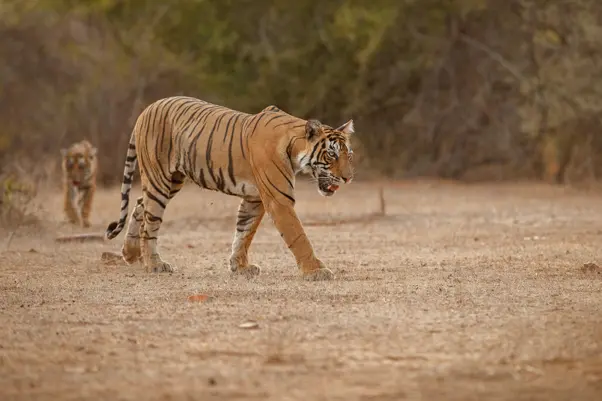
India is well suited for a wildlife-led holiday. The main safari season, broadly running from October to May, overlaps with the most comfortable months for exploring many of the country’s heritage cities. This makes it possible to pair a few days in the forest with forts, palaces and historic towns without having to plan around two completely different travel seasons.
Most India travel guides describe the location, but they fail to address the elephant in the room— where to go and when? Central India is the natural choice for tiger safaris, while Gir offers a distinctly different experience with the Asiatic lion. Kaziranga and the wetlands of eastern India present another side of the country’s wildlife.
Where you stay matters too; from intimate forest lodges to more refined resorts, the right property can shape the experience between safaris. This comprehensive India vacation guide explores when to travel, which destinations suit different kinds of travellers, and what to look for in a wildlife lodge.
Key Takeaways
- Decide what kind of wildlife experience you want before choosing the destination and season.
- March to June can offer better conditions for sighting opportunities as animals gather around water.
- October to March works well for combining safaris with Rajasthan’s forts, palaces and heritage cities.
- Ranthambore is known for tigers, Gir for Asiatic lions and Kaziranga for one-horned rhinos.
- Wildlife trips can extend beyond the safari, with Madhai and Satpura offering forest retreats.
- Choose a stay based on its location and access to the wider destination, not just the room.
Understanding India’s Safari Seasons
If wildlife is the main reason for the trip, build the itinerary around the safari season rather than fitting it in afterwards. India’s wildlife destinations follow different seasonal patterns, and the best time to visit depends on both the species and landscape you want to experience. The timing also determines how easily a safari can be combined with some of the best places to visit in India.
- March–June: If wildlife is the priority, this is one of the best times to plan a safari. As the dry season sets in, vegetation thins and animals tend to gather around the remaining water sources, making them easier to spot.
- October–March: The weather is cooler and more comfortable, making these months a good choice if you want to combine safaris with North India and Rajasthan. Wildlife conditions, however, vary by park.
- July–mid-October: The monsoon changes the rhythm of the forest, and many parks restrict access to their core zones during this period. But if your priority is simply to spend time in the forest and unwind in the wilderness, this can be the most rewarding season.
- June–September: If you are looking beyond the safari circuit, Kerala and parts of the Western Ghats can be particularly appealing during the monsoon, especially for wellness retreats.
In short, if wildlife is the priority, March to May can offer particularly favourable conditions for sightings, though nothing in the wild is ever guaranteed.
Beyond the Safari: Building a Diverse India Travel Itinerary
A wildlife-focused holiday does not have to mean choosing between the forest and India’s better-known destinations. The Golden Triangle can sit naturally alongside a few days in the jungle, with Jaipur and Ranthambore offering an easy combination of heritage and wildlife. From Jaipur, Ranthambore is roughly four to five hours away, making it possible to add a tiger safari without significantly reshaping the itinerary.
For travellers with more time, other landscapes can add a change of pace. Kerala and the Western Ghats take on a different character during the monsoon, from June to September, when lush surroundings lend themselves to Ayurveda, wellness retreats and slower-paced stays. The Himalaya, meanwhile, offers cooler weather and mountain landscapes during the summer months.
The idea is not to pack every destination into one trip, but to build around the safari and add experiences that complement it. A few days of heritage, wellness or mountain air can give the journey a greater sense of variety while keeping the wildlife experience at its centre.
Start With the Wildlife You Want to See
India’s wildlife destinations are not interchangeable. The landscape, species and even the way a safari unfolds can vary significantly between parks. A good starting point is to decide which animal you most want to see, then choose the ecosystem around it.
The Tiger Forests of Central India and Rajasthan
Tiger safaris are the most obvious starting point for a wildlife-focused trip. India recorded 3,682 tigers across 58 tiger reserves in the 2022 national assessment, with some of the country’s strongest tiger landscapes spread across Central India and Rajasthan.
Ranthambore is a natural choice for combining culture and wildlife, given its proximity to Jaipur and the wider Golden Triangle. Satpura National Park offers a quieter, more immersive forest experience. Madhai, the gateway to Satpura, sits along the Denwa River and is home to The Forest Chapter by Sayaji in Madhai, offering a base for exploring the region.
For first-time wildlife travellers, a tiger safari offers a natural introduction to India’s forests. Those returning for another wildlife experience may prefer Satpura’s slower rhythm and varied landscapes, while Ranthambore fits easily into a Rajasthan itinerary.
The Lion Country of Sasan Gir
Sasan Gir offers a very different wildlife experience. Gujarat is home to 891 Asiatic lions, according to the 2025 census, and is the only place in the world where you can see these lions in their natural habitat.
There are plenty of things to do in Sasan Gir beyond the safari. A visit to a Maldhari village offers a glimpse into local life and the community’s long relationship with the forest, while nature walks, birdwatching and the Devalia Interpretation Zone offer other ways to experience Sasan Gir.
With a few additional days, the trip can also extend beyond the forest to places such as Somnath, Kamleshwar Dam and other cultural and natural attractions around Gir. The Forest Chapter by Sayaji in Sasan Gir offers a perfect base for exploring the region at a slower pace.
Kaziranga, the Rhino Territory of Northeast India
Kaziranga offers a very different setting from India’s tiger forests. The park is home to more than 2,613 one-horned rhinoceroses, roughly two-thirds of the world’s population, alongside vast grasslands, wetlands and riverine forests that make the landscape distinctive.
There is plenty to explore beyond the jeep safari. Boat rides take you into Kaziranga’s wetlands and waterways, while birdwatching and nature walks offer a closer look at the park’s quieter side. The changing landscape also makes the experience about more than simply spotting rhinos.
With a few additional days, the trip can extend beyond the national park to explore more of Assam. You can visit tea estates, local villages and nearby cultural attractions, which can add another dimension to the itinerary, while time on the water and in the forest keeps wildlife at its centre.
Where Luxury Meets Wild — Choosing a Wildlife Lodge Stay
Where you stay can shape more than the safari itself. A well-situated luxury wildlife resort keeps you close to the reserve while also making it easier to explore the wider destination. That could mean combining a safari with local villages, heritage sites, temples or nearby landscapes, without spending too much time travelling between experiences.
The Forest Chapter by Sayaji follows this approach across Central India and Gir, offering nature-focused stays that work as a comfortable base for exploring both the forest and the attractions around it. The idea is to make wildlife tourism in India part of a larger itinerary, rather than the entire trip.
Final Thoughts
The whole purpose of this India travel guide is to show that a wildlife-led trip does not have to end with the safari. Start with the season, choose the wildlife experience you want, and build the rest of the itinerary around it. Tiger forests, lion country and rhino territories each reveal a different side of India, while also opening the way to heritage cities, local culture, wellness retreats and mountain landscapes.
That is perhaps the real advantage of planning India through its wildlife. The forest becomes the starting point for a much broader journey, rather than the entire itinerary.
Frequently Asked Questions
1. What is the best time for a wildlife trip in India?
March to June is generally the best period for wildlife sightings, as animals tend to gather around remaining water sources during the dry season.
2. Which is the best wildlife destination for first-time visitors?
Ranthambore is a strong choice for first-time visitors, particularly if you want to combine a tiger safari with Jaipur and the Golden Triangle.
3. How far in advance should I book a wildlife lodge?
During peak safari months, booking several months in advance is advisable, especially for preferred rooms and safari slots.
4. What should I look for in a luxury resort in India?
Prioritise location, naturalist expertise and safari planning. These can have a greater impact on the experience than the room itself.
5. Can I combine a wildlife safari with a wider India holiday?
Absolutely, a safari can be combined with heritage cities, palace stays, Kerala wellness retreats or Himalayan escapes, depending on the season.




 TYS
TYS