


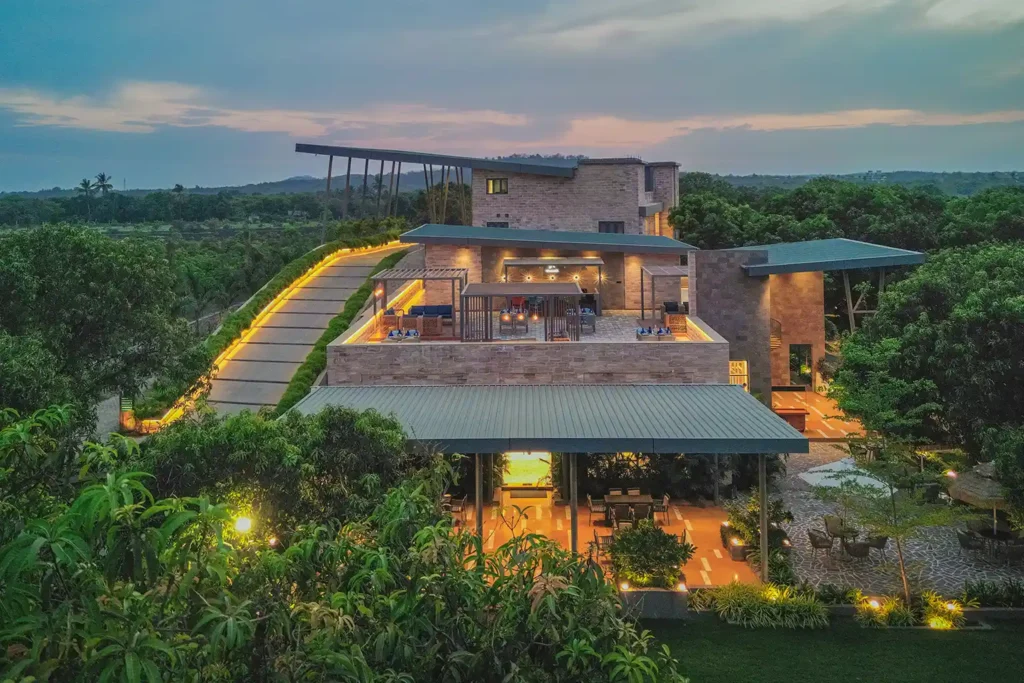
A safari holiday often starts before sunrise. You get into a jeep, head into the forest and spend the morning looking for signs of wildlife. For a long time, the lodge was simply the place you returned to between safaris. That is changing. Travellers visiting India’s tiger reserves are increasingly staying for several nights and paying more attention to how they spend the time between safaris.
The experience now extends beyond the game drives. It could be a guided nature walk with a naturalist, a regional meal after a morning in the forest, or time spent taking in the landscape around the lodge. These details can make up a significant part of a longer wildlife holiday.
Luxury wildlife resorts bring these elements together with safari access, comfortable accommodation, regional food, guided nature experiences and responsible design. The aim is not to take attention away from the wildlife, but to make the time around the safari more meaningful.
So, let’s look at why luxury wildlife resorts are becoming increasingly popular in India, and why the choice of where you stay matters when wildlife remains the main reason for the trip.
Key Takeaways
- Longer wildlife stays are becoming more popular in India.
- The choice of stay is becoming an important part of the safari experience.
- Naturalists, regional food and time in nature now extend the experience beyond the safari.
- Buffer-zone stays are gaining importance as access to core zones becomes more regulated.
- The best wildlife stays add to the experience without taking attention away from the forest.
From Checklist Safaris to Forest Holidays: How the Wildlife Traveller Has Changed
The wildlife traveller is no longer limited to the traditional safari-goer. Couples, families, multi-generational groups and solo travellers are increasingly choosing forest as a holiday destination. A three- to five-night stay gives your trip a different pace, with plenty of time to notice the landscape, local culture and life beyond the safari route.
That change is also visible in the growing interest in India’s wildlife destinations. Kaziranga recorded 4,68,147 visitors in 2025–26, its highest recorded footfall, reflecting the rising demand for wildlife travel. The interest is not limited to the country’s better-known parks either. Destinations such as Satpura, Bori, and Kanha are drawing travellers looking for a closer connection with the landscape.
For many, the appeal now goes beyond the chance to see a tiger. A longer stay gives travellers time to become familiar with the forest and notice what lies beyond the safari route. The safari itself then becomes one part of a wider holiday.
The Safari Lasts a Few Hours, but the Stay Shapes the Whole Trip
A safari does not fill an entire day. In most reserves, wildlife drives are limited to two windows, one in the early morning and another later in the day, with vehicle numbers restricted within individual zones. At popular reserves, permits can fill months in advance, which makes the time spent out of the forest an important part of the overall experience.
The seasonal calendar adds another consideration. Core areas may close during the monsoon, while some buffer zones continue to offer access. Satpura, for instance, has designated core and buffer tourism areas, allowing wildlife experiences to continue beyond the core when conditions and regulations permit.
There is also a growing focus on keeping tourism away from the most sensitive habitats. In its November 2025 judgment, the Supreme Court held that tiger safaris should not be permitted in core or critical tiger habitats and stressed the need for low-impact tourism in appropriate buffer areas.
These measures can further limit the number of drives into the forest. The day therefore takes a natural pattern, forest in the morning, time to rest and eat, then another outing later. The hours between these windows are no longer just a pause between safaris. They have become an important part of the wildlife holiday.
What a Premium Forest Stay Adds Around the Safari
A premium forest stay often shapes the hours around the safari. With your stay in a well-placed forest resort, the destination, wildlife and local culture become part of the experience. The stay can add more to the day than the hours spent on safari alone.
- More time with the destination: A luxury wildlife resort gives travellers a comfortable base for a longer stay, making it easier to experience more of the destination beyond the safari route. That could mean exploring the surrounding landscape, visiting nearby communities or simply spending more time observing the forest.
- A deeper understanding of the forest: The experience around a luxury wildlife resort can extend beyond the safari vehicle through guided nature walks and time with knowledgeable naturalists. These experiences can draw attention to details that are easy to miss during a drive, from bird calls and tracks to plants and smaller signs of wildlife.
- A stronger connection with local food and culture: A luxury wildlife resort can also bring the character of the destination into the stay through regional recipes, local ingredients and cultural experiences. In Sasan Gir, this may mean Kathiawadi flavours, while around Satpura, local food and cultural experiences can introduce travellers to another side of the region.
- More meaningful time between safaris: A luxury wildlife resort gives travellers a comfortable setting to rest, eat and spend time in the surroundings between drives. Stays such as The Forest Chapter by Sayaji at Madhai, Satpura and Sasan Gir bring these elements together as part of the wider shift towards experience-led forest travel.
Why the Best Wildlife Resorts Now Work With the Forest, Not Just Beside It
A wildlife resort depends on the health of the landscape around it. India’s wildlife recovery shows what sustained protection can make possible. The 2022 tiger census recorded 3,682 tigers, while the Asiatic lion population reached 891 in the 2025 census. These are not simply numbers for travellers to see. They represent living ecosystems that tourism ultimately depends on.
That makes responsible tourism part of how a wildlife resort operates, rather than an added feature. The Supreme Court’s 2025 directions called for new eco-friendly resorts to be developed in buffer zones rather than wildlife corridors, alongside eco-sensitive zones around reserves. The principle is straightforward. Tourism should create less pressure on the habitats it relies on.
For resorts, this can mean hiring locally, sourcing from nearby communities and designing with a lighter footprint. Water use, waste management, construction materials and energy choices all matter when a property operates close to a sensitive landscape.
The future of wildlife tourism depends on getting this balance right. A forest can support tourism only when the wildlife, habitats and communities around it continue to thrive.
Conclusion
Wildlife travel in India is moving beyond the pursuit of tiger sightings. Travellers are staying longer, making time for the landscape around the safari and looking for experiences that help them understand a place rather than simply pass through it.
That makes the stay more than a base between drives. The food, naturalists, setting, and way a luxury wildlife resort works with its surroundings all shape how the forest is experienced. A safari may offer a few remarkable hours, but the stay gives the rest of the day its own place in the wildlife holiday.
As travellers, this means your stay is becoming an important part of planning a wildlife trip. The next time you head into the forest, give yourself time to experience what lies beyond the safari route.
Frequently Asked Questions
1. How long should you stay at a luxury wildlife resort in India?
A three- to five-night stay gives you enough time for multiple safaris while also allowing you to experience the forest, food, guided activities and quieter hours between drives.
2. What makes a luxury wildlife resort different from a regular lodge?
It brings together safari access, naturalist-led experiences, regional food, comfortable accommodation and a stronger connection with the surrounding landscape.
3. What can you do at a wildlife resort besides going on safari?
Depending on the destination, you may have guided nature walks, birding, river or boat experiences, stargazing and time to explore local food and culture.
4. Are wildlife resorts responsible for protecting the forests around them?
Responsible stays can support conservation through local employment and sourcing, low-impact design, and careful management of water and waste.
5. Why are buffer zones becoming more important for wildlife tourism?
As tourism in core habitats faces tighter restrictions, buffer zones can offer a different way to experience wildlife while reducing pressure on the most sensitive parts of the forest.




 TYS